
Human Rights and Employee Development and Retention

Supporting the SDGs



Opportunities and Challenges
Amid changes in the energy industry, technological advancements, and evolving stakeholder expectations, the Company recognizes that employees are a vital resource in strengthening its competitiveness and driving sustainable success.
As the energy industry faces an energy transition, the adoption of digital technologies, and increasing competition to attract capable personnel, the Company places importance on recruiting and retaining talent, developing future-ready skills, preparing leaders and successors, and strengthening employee engagement to enhance its competitiveness and support long-term business growth.
At the same time, the Company is committed to creating a safe, diverse, and equitable working environment that enables all employees to realize their full potential. It also promotes employees’ quality of life and well-being, encompassing physical health, mental health, and work-life balance, to strengthen employee engagement and retain high-quality personnel.
In addition, the Company conducts its business in accordance with human rights principles and fair labor practices, as well as applicable laws and international standards. It continuously assesses human rights risks covering employees, suppliers, contractors, and communities to prevent human rights violations throughout the value chain and strengthen the confidence of all stakeholder groups.
Targets and Performance

Average employee training hours
Targets
Performance

Employee return-to-work rate following maternity leave
Targets
Performance

Employee satisfaction rate
Targets
Performance

Complaints/disputes related to human rights issues
Targets
Performance

Outstanding Level in the Large Business Organization category
Performance

Strategy and Management Approach
The Company recognizes the importance of respecting and protecting human rights. It assesses human rights risks throughout its business value chain to identify and manage potential impacts on stakeholder groups, guided by the United Nations Guiding Principles on Business and Human Rights (UNGPs), as well as applicable laws and labor standards in every country where the Company operates.

The Company aims to foster an organizational culture that respects human dignity, diversity, equality, and non-discrimination, while establishing management measures covering lawful employment and labor practices; the prevention of child labor, forced labor, and human trafficking; respect for the rights of all stakeholder groups; and the promotion of a safe working environment conducive to employee engagement.
To ensure effective implementation, the Company conducts Human Rights Due Diligence (HRDD), encompassing risk identification and assessment, impact prevention and mitigation, monitoring, and the continuous review of the effectiveness of its measures. The process covers the Company’s operations throughout the value chain and includes appropriate remediation measures where human rights impacts are identified.
In addition, the Company promotes human rights awareness among employees, suppliers, and contractors through ongoing communication, training, and policy dissemination. It also provides independent, transparent, and confidential grievance and whistleblowing channels, supported by fair processes for fact-finding, remediation, and follow-up. The Company further transparently discloses its human rights performance to the public to build stakeholder confidence and support its sustainable growth.
Human Rights and Fair Labor Practices
The Company places importance on conducting its operations with respect for human rights and fair labor practices throughout the value chain. It has established clear policies and practices to monitor, avoid, prevent, mitigate, address, and remedy potential human rights impacts arising from its business activities. The Company also promotes the equal and non-discriminatory treatment of all stakeholder groups with respect for human dignity, as well as labor practices aligned with international labor rights principles, including the prohibition of child labor and forced labor, respect for freedom of association and collective bargaining, fair employment, and the provision of a safe and hygienic working environment.
The Company has conducted Human Rights Due Diligence (HRDD) to assess and manage potential human rights risks arising from its operations. The process covers key stakeholder groups, including employees, suppliers/contractors, customers, and communities, and considers the likelihood and severity of impacts, as well as the vulnerability of affected groups, to establish appropriate measures for preventing, mitigating, and monitoring such impacts.
The assessment covers key human rights issues, including discrimination; the lawful use of labor and employment; occupational health and safety; freedom of association and collective bargaining; personal data protection; access to water and sanitation; land acquisition; and the rights of communities and stakeholders in operational areas.
The 2025 assessment found that human rights risks in the Company’s operational areas were at low to moderate levels. Key issues included the protection of employees’ personal data and community health and safety. The Company therefore established appropriate control measures and risk management plans and continuously monitored their implementation. It also communicated the assessment results to relevant functions for use in improving operational processes, supplier management, occupational health and safety oversight, and personal data protection to prevent the recurrence of impacts in the future.
The Company adopts the United Nations Guiding Principles on Business and Human Rights (UNGP), the Universal Declaration of Human Rights (UDHR), and the standards of the International Labour Organization (ILO) as its operational frameworks. It also provides fair, transparent, and accessible grievance channels and remediation mechanisms for all stakeholder groups and continuously discloses its human rights performance to the public to strengthen confidence and support sustainable business operations. Further details are available in the Human Rights Due Diligence (HRDD) document.
Human Rights Model Organization
The Company received the Human Rights Model Organization Award at the Outstanding Level in the Large-scale Business Organization category from the Rights and Liberties Protection Department, Ministry of Justice, at the 2025 Human Rights Model Organization Awards Ceremony. This recognition, received for the second consecutive year, reflects the Company’s commitment to conducting business with respect for human rights and fair labor practices.
The Company has integrated human rights principles into its business processes throughout the value chain, from policy formulation, oversight, Human Rights Due Diligence (HRDD), and risk management to communication and awareness development among employees, suppliers, and contractors. It has also established appropriate grievance and remediation mechanisms to prevent and mitigate potential human rights impacts.
Employee Capability Development
The Company aims to continuously develop the capabilities of employees at all levels to strengthen the knowledge, skills, and expertise required for its current and future business operations. This is achieved through systematic human capital management encompassing individual capability development, career development, leadership and succession readiness, and future skills development to respond to changes in the energy industry and digital technology, as well as the requirements of sustainable business operations.
The Company promotes learning through skill development via On-the-Job Training, together with Knowledge Sharing, in-house training, Simulation Workshops, and external training courses and seminars conducted by specialized organizations. These learning opportunities enable employees to gain knowledge, best practices, and experience from experts in various fields. The Company designs learning programs in accordance with job requirements and individual capability assessment results under the 70:20:10 human resource development model, comprising On-the-Job Training (70%), Knowledge Sharing (20%), and classroom and e-Learning (10%).
Performance Evaluation
The Company places importance on performance management as a key tool for developing employee capabilities and driving organizational performance. It has established a transparent and fair evaluation process aligned with the organization’s strategic goals while promoting open communication between supervisors and employees to facilitate constructive feedback, performance monitoring, and continuous capability development in terms of both Performance and Competency. This supports employees’ career growth and creates long-term value for the organization, as detailed below.
Performance Goal Setting (Management by Objectives)
The Company applies Management by Objectives to performance goal setting by providing employees and supervisors with opportunities to jointly establish annual goals aligned with the organization’s direction and the responsibilities of each position, enabling all employees to contribute to the organization’s success.
Performance evaluations are based on Key Performance Indicators (KPIs), comprising:
- Common KPIs: Reflect the organization’s overall performance.
- Functional KPIs: Reflect performance based on the roles and responsibilities of each function.
- Standard KPIs: Focus on employee capability development, such as implementation of the Individual Development Plan (IDP), knowledge sharing, and participation in organizational activities.
The Company assigns appropriate KPI weightings according to position level and job characteristics to ensure that they properly reflect each employee’s roles, responsibilities, and performance.
Performance Monitoring through Agile Conversation
The Company promotes a culture of Agile Conversation, enabling employees and supervisors to discuss, exchange views, and provide feedback continuously throughout the year instead of limiting performance evaluations to once a year.
The process encompasses performance monitoring, capability development, the resolution of work-related obstacles, and the review of goals to align them with changing business conditions. Year-end performance evaluations are conducted, while the progress of project teams is monitored weekly to improve operational efficiency and support continuous employee development.
Performance Evaluation
The Company evaluates employees’ performance and capabilities and uses the results as a basis for employee development planning, compensation decisions, promotions, and succession planning.
Performance evaluations are divided into five levels:
- Far Exceed Expectation (FE)
- Exceed Expectation (EE)
- Meet Expectation (ME)
- Meet Some Expectation (SE)
- Improvement Require (IE)
Linking Evaluation Results to Employee Development
Performance-based Compensation Management
The Company has established a compensation policy aligned with employee and organizational performance, taking into account fairness and competitiveness within the industry to motivate employees and attract and retain high-potential personnel. The policy follows the 3Ps, a key approach to compensation management, as follows:
- Pay for Position: Compensation based on the duties, responsibilities, and value of each position.
- Pay for Performance: Salary adjustments, annual bonuses, and short- and long-term incentives linked to employees’ performance and capabilities.
- Pay for Person: Compensation based on an individual’s knowledge, capabilities, skills, and specialized expertise to attract, develop, and retain high-potential personnel as a key driving force for the organization over the long term.
Employee Retention
The Company’s approach to caring for and retaining high-potential personnel focuses on creating a working environment that promotes employee engagement, continuous capability development, and a good quality of life, as well as treating employees fairly and respecting human rights under the principle of non-discrimination, regardless of gender, age, race, religion, nationality, disability, or any other differences, including in relation to compensation, welfare, and benefits. These are provided appropriately in compliance with labor laws and at levels competitive with industry peers, taking into account employee performance, the Company’s performance, and employees’ short- and long-term growth potential to motivate employees and attract and retain high-potential personnel to grow alongside the organization.
In addition, the Company promotes career advancement through Individual Development Plans (IDPs), leadership development, succession readiness, and Lifelong Learning, together with employee well-being covering physical health, mental health, workplace safety, and work-life balance.
The Company conducts annual employee engagement and satisfaction surveys and uses the comments and feedback received to continuously improve human resource management, the working environment, and employee care measures. These efforts aim to create an organization where employees are happy, engaged, and ready to grow with the organization over the long term.
Employee Benefits and Welfare
The Company believes that supporting employees’ quality of life and well-being is essential to strengthening employee engagement and retaining high-potential personnel over the long term. It has therefore established welfare and benefits policies that address employees’ needs at every stage of life, taking into account fairness, equality, and competitiveness in the labor market, so that employees can realize their full potential, enjoy a good quality of life, and grow alongside the organization.
The Company provides comprehensive welfare and benefits in the following areas:

1. Health, Safety, and Quality of Life
The Company supports employees’ physical and mental health by providing health and life insurance and annual health check-ups, as well as promoting occupational health and safety practices to ensure that employees work in a safe and hygienic environment conducive to a good quality of life. It also organizes physical and mental health activities to support work-life balance.

2. Financial Security
The Company promotes employees’ financial security by providing a provident fund, gratuity payments, and other financial benefits to support long-term financial planning and provide financial security for employees after retirement.

3. Participation in the Organization’s Growth
The Company enables employees to participate in the organization’s growth through the BCPG ESOP-WS 2 program, which offers warrants to purchase the Company’s newly issued ordinary shares to directors, executives, and employees of the Company and its subsidiaries. The program aims to motivate employees, foster a sense of ownership, and link employee rewards to the Company’s long-term growth. In 2025, the Company had no additional long-term compensation programs beyond this program.

4. Capability Development and Career Advancement
The Company supports Lifelong Learning by providing continuous employee training and capability development in accordance with Individual Development Plans (IDPs). Employees are also given opportunities to further develop knowledge and skills in areas of interest to prepare for career advancement and respond to future business changes.

5. Employee Engagement
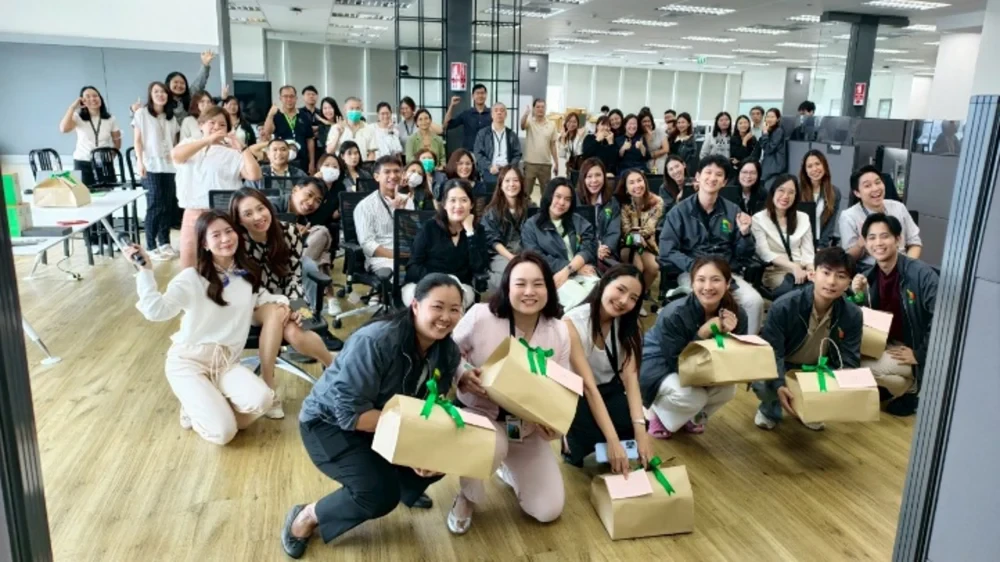
The Company promotes an open working environment conducive to employee engagement by continuously organizing activities that strengthen internal relationships, promote health and exercise, contribute to society, provide recreation, and support Team Building. These activities strengthen employee engagement, collaboration, and a strong organizational culture.
In addition, the Company promotes employee health, welfare, and quality of life by providing comprehensive welfare and benefits covering health, financial security, flexible working arrangements, and family care, as follows:

Health-promoting activities

Health and wellness allowance

Fitness facilities at the Fitness Center on the 11th floor of M Tower.

An on-site medical facility

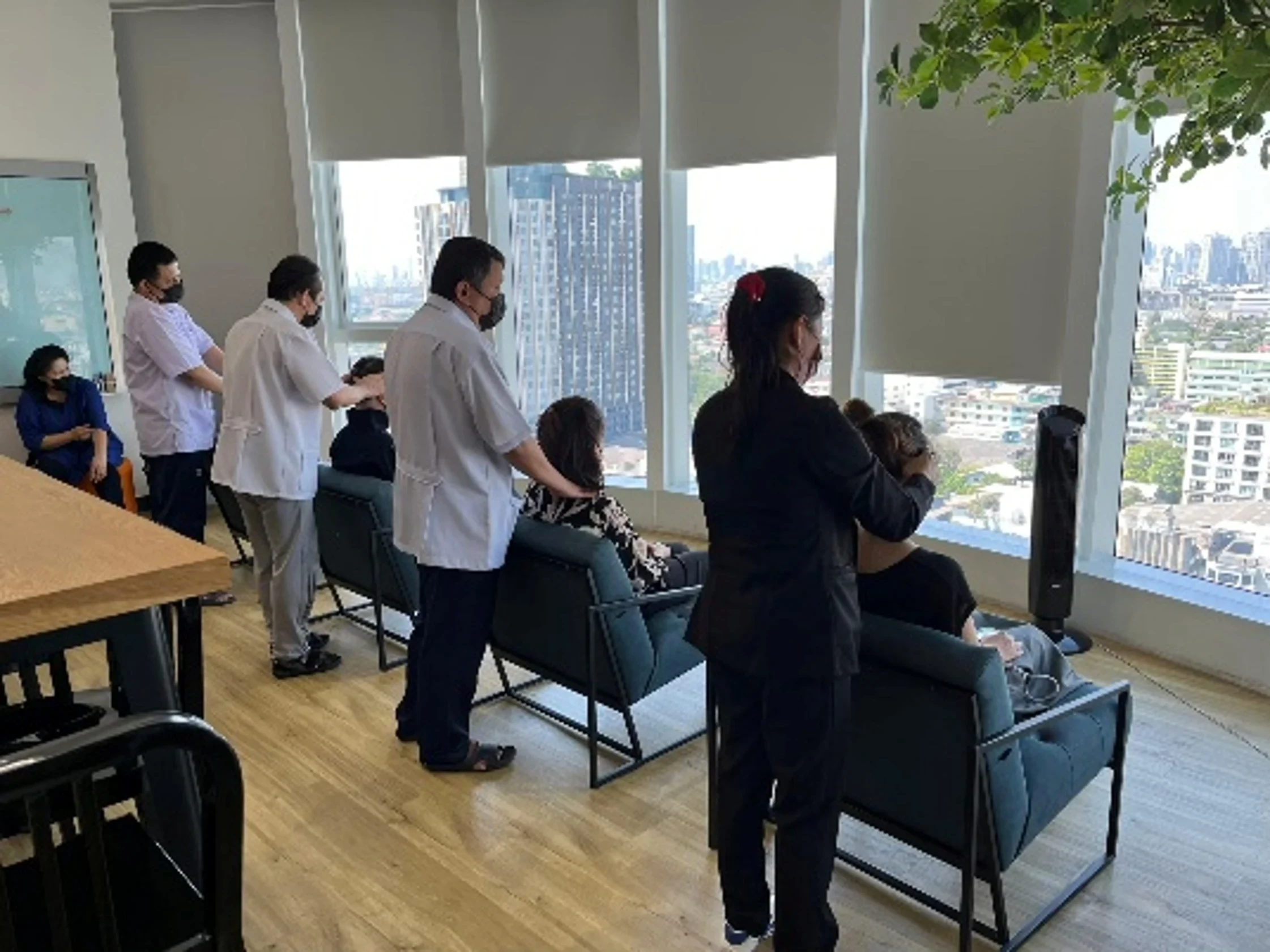
Relaxation areas and wellness massage services,

Family benefits
Employee Engagement and Satisfaction Survey
The Company places importance on gathering employee feedback as a key mechanism for organizational development and enhancing the employee experience. It conducts an employee engagement and satisfaction survey annually through a global consulting firm to ensure that the survey process is impartial, transparent, and based on internationally recognized practices.
The survey covers key factors affecting employee engagement and experience, including:

- Performance Management
- Career Development
- Engagement and Well-being
- Collaborations
- Communications
- Rewards and Recognition
Examples of Employee Satisfaction Survey Questions
| Topic | Example Question |
|---|---|
| Organizational Engagement | I see myself continuing to work for this organization over the next 2–3 years. |
| Organizational Goals | I understand and agree with the organization’s mission and values. |
| Collaboration | I feel supported by my supervisor and colleagues. |
| Workplace Well-being | I am able to manage work-related stress. |
Note: A rating scale of 1–5 is used, where 1 represents the lowest level of agreement and 5 represents the highest level of agreement.
Employee Engagement Survey

The 2025 survey results showed an employee satisfaction score of 71.5% and an employee survey response rate of 92%, reflecting employees’ participation in sharing opinions and suggestions for the Company’s continuous development. The results also highlighted the organization’s strengths in employee capability development, equitable treatment of employees, workplace health and safety, supervisor support, and knowledge sharing among colleagues.
The Company conducted an in-depth analysis of the survey results to develop an organizational development plan and establish improvement measures in the following areas identified through employee feedback:
- Improving the performance management system
- Promoting career advancement opportunities and employee capability development
- Enhancing communication efficiency among executives, supervisors, and employees
- Promoting cross-functional collaboration
- Improving welfare and well-being activities to enhance employees’ quality of life and engagement
These actions reflect the Company’s commitment to turning employee feedback into action plans that create a working environment conducive to learning and career growth and support the long-term retention of high-potential personnel.


Key Stakeholders

Employees
- Provided training programs appropriate for employees at each level to enhance the knowledge, skills, and capabilities required for business operations, including future skills needed to respond to changes in the energy industry.
- Implemented career development, leadership development, and succession planning to support employee growth and strengthen the organization’s workforce stability
- Established fair compensation and benefits that were competitive with industry standards to ensure that employees received appropriate support in accordance with labor practices.
- Managed occupational health, safety, and the working environment to create a safe workplace conducive to the work of all employees.
- Promoted employee engagement through employee engagement and satisfaction surveys and used the results to continuously develop the organization and enhance the employee experience.