Biodiversity Management

Supporting the SDGs
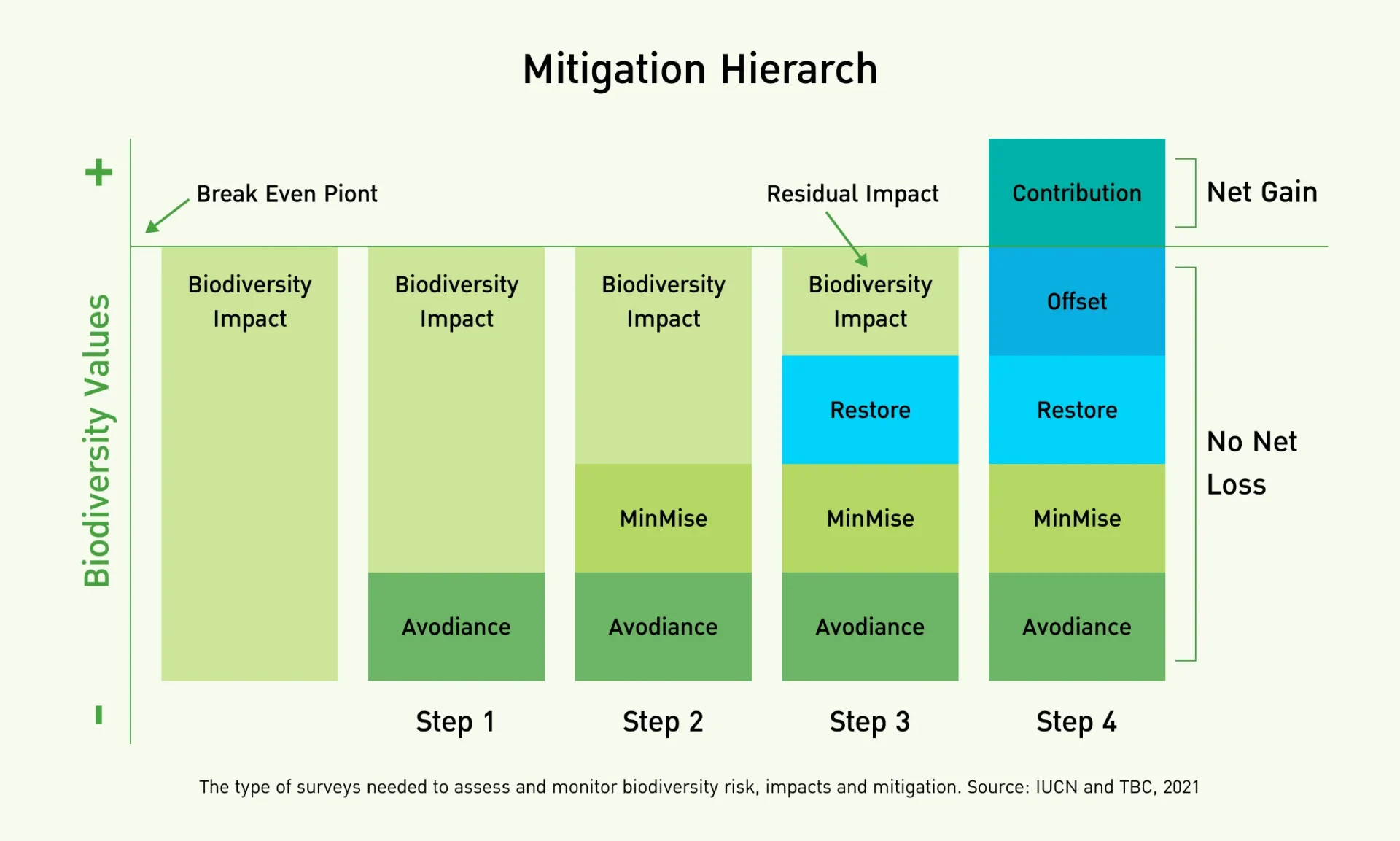
The Company is committed to conducting business in accordance with the principle of “No Net Loss of Biodiversity” by prioritizing the avoidance and minimization of impacts on ecosystems and species of significance, as well as restoring and offsetting potential impacts in accordance with the Mitigation Hierarchy to preserve long-term ecosystem integrity.
In addition, the Company assesses and screens biodiversity risks within operational areas under its Operational Control by referring to information on protected areas and areas of biodiversity importance at both national and international levels, such as Natural World Heritage Sites and Ramsar Sites. The results are used to establish preventive and mitigation measures and continuously monitor performance.
The Company does not undertake activities that cause deforestation (No Deforestation) in protected areas or areas sensitive to biodiversity. It continuously monitors and reviews its biodiversity performance to evaluate the effectiveness of implemented measures and uses the resulting information to improve its management approach in alignment with international standards and relevant sustainability practices.

Opportunities and Challenges
Clean energy operations play an important role in mitigating the impacts of climate change. At the same time, business operations depend on natural resources and ecosystems. The Company’s key challenge is therefore to maintain a balance between developing renewable energy projects that reduce greenhouse gas emissions and conserving local biodiversity. Such projects may have direct and indirect impacts on ecosystems, including changes in land use, disturbance to wildlife habitats, landscape alterations, disruption of avian migration routes, and impacts on vegetation and endemic species in biodiversity-sensitive areas.
The Company therefore places importance on assessing biodiversity and ecosystem risks (Nature-related Risks) throughout project development, construction, operations, and Decommissioning. The assessments consider protected areas, wetlands, and species of significance under the IUCN Red List criteria to establish appropriate prevention and mitigation measures in accordance with the Mitigation Hierarchy.
In addition, compliance with environmental requirements and continuous engagement with local communities, government agencies, environmental organizations, and relevant stakeholders are important factors in reducing conflict, building mutual understanding, and supporting sustainable business operations.
At the same time, effective biodiversity management provides important opportunities to enhance the Company’s competitiveness, including access to Green Finance, responsiveness to the expectations of investors and financial institutions, reduced regulatory and reputational risks, and increased stakeholder confidence in the Company as an organization that conducts business with due consideration for natural resource conservation and sustainable development.
Targets and Performance

Achieve a cumulative mangrove reforestation area
Targets
Performance

Conduct biodiversity risk assessments for projects under the Company’s Operational Control and ensure that management measures cover
Targets
Performance

Complied with the Biodiversity Policy and action plans.
Performance

Monitored performance to reduce biodiversity risks at
Performance

Severe impacts from the Company’s operations on protected areas or endangered species
Targets
Performance

Strategy and Management Approach
The Company is committed to conducting business sustainably and with environmental responsibility by protecting ecosystems and biodiversity to pass on balanced natural resources and a healthy environment to future generations. This commitment aligns with the Company’s Environmental Value (Green) sustainability strategy and its material topic of ecosystem and biodiversity protection.
The Company manages biodiversity with reference to the principles and practices of the United Nations Convention on Biological Diversity (CBD), the Convention on International Trade in Endangered Species of Wild Fauna and Flora (CITES), the Convention on the Conservation of Migratory Species of Wild Animals (CMS), the Ramsar Convention on Wetlands of International Importance, and the World Heritage Convention (WHC). It also refers to relevant international practices for biodiversity management and conservation and the management of Nature-related Risks.
The Company is committed to conducting business in accordance with the principle of “No Net Loss of Biodiversity” by prioritizing the avoidance, minimization, restoration, and offsetting of impacts on ecosystems in accordance with the Mitigation Hierarchy. It also does not undertake activities that cause deforestation (No Deforestation) in protected areas or biodiversity-sensitive areas.
The Company conducts biodiversity risk assessments covering projects under its Operational Control by considering protected areas, wetlands, areas of biodiversity importance, and species with significant conservation status under the IUCN Red List criteria. The results are used to establish appropriate prevention and mitigation measures throughout the project lifecycle.
Biodiversity Management Objectives
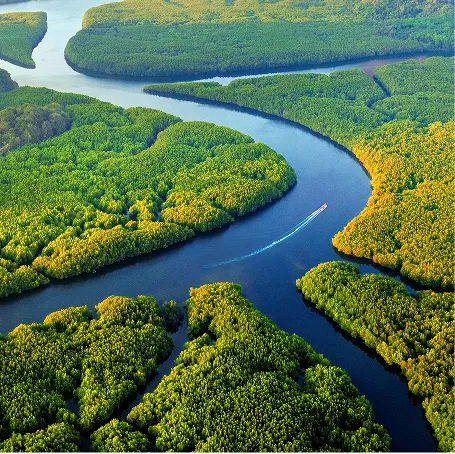
- Avoid conducting business in areas designated as UNESCO World Heritage Sites, wetlands under the Ramsar Convention, and protected areas designated by the International Union for Conservation of Nature (IUCN) throughout the supply chain.
- Minimize adverse impacts on the environment and biodiversity where business activities cannot be avoided.
- Undertake forest restoration or reforestation in accordance with the No Net Loss (NNL) principle to offset potential impacts from business operations on ecosystems and forest areas.
- Promote actions that create a Net Positive Impact (NPI) on biodiversity through the conservation and restoration of biodiversity and ecosystem integrity.
Management Approach
The Company manages biodiversity throughout the project lifecycle, from development and construction to operations and Decommissioning, by applying the Mitigation Hierarchy to appropriately avoid and minimize impacts, restore affected ecosystems, and offset residual impacts on ecosystems and biodiversity through the following six-step process:

Establish a Policy

Assess Risks and Impacts

Establish Measures and Operating Practices
by applying the Mitigation Hierarchy, comprising
- Avoid
- Minimize
- Restore
- Offset

Monitor Performance

Build Engagement and Communicate Activities

Report and Disclose Information
Assessment of Biodiversity Impacts from Business Operations
The Company selects projects for assessment based on biodiversity risk assessments of projects within its operational areas, covering the Development, Construction, and Operation phases, including projects that have commenced commercial operations, as well as plans for assessments during Decommissioning. The assessment criteria consider the distance of each project from protected areas. Projects classified as high risk are required to develop a Biodiversity Action Plan (BAP) to mitigate potential impacts on living organisms, the environment, and ecosystems. The Company’s key action plans are as follows:
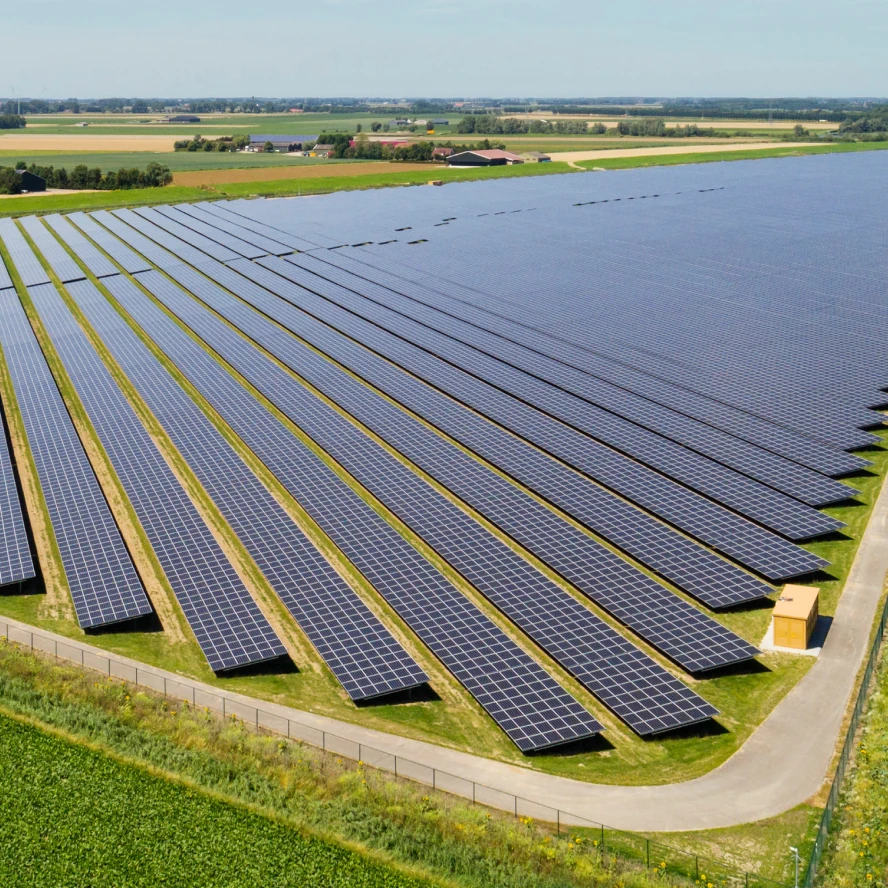
1. Projects Under Development
2. Projects Under Construction and Operation, Including Projects That Have Commenced Commercial Operations
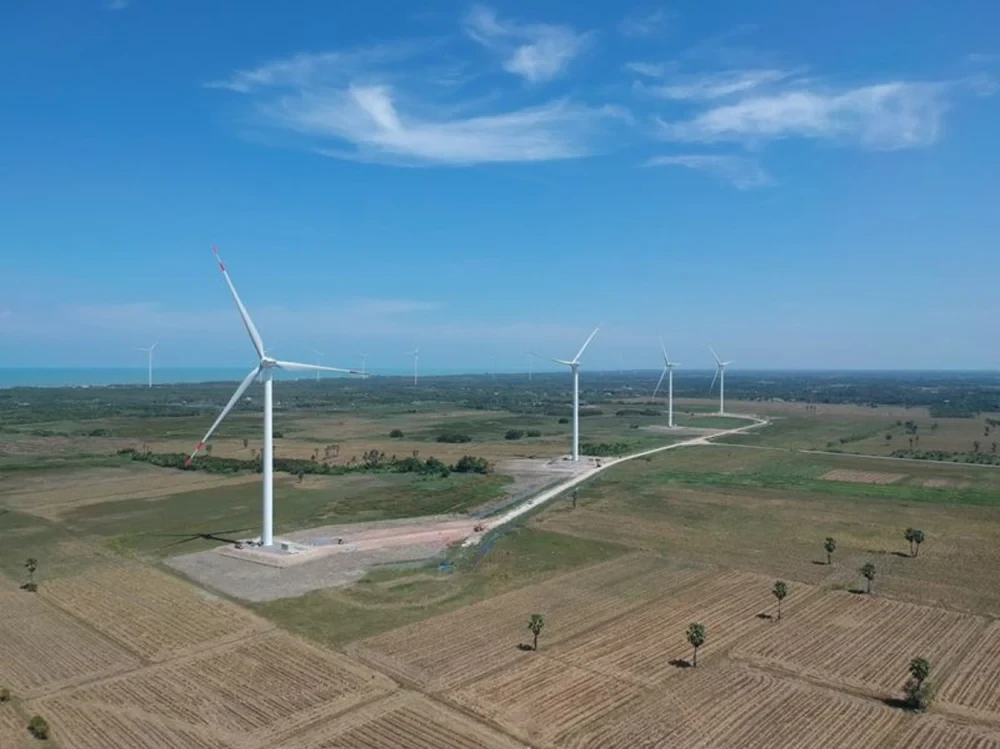
The Company’s 2025 biodiversity risk assessment identified one project area at risk: the Lom Ligor Wind Power Project in Nakhon Si Thammarat Province, Thailand, which has commenced commercial operations. The project covers approximately 2,000 rai and has an electricity generation capacity of 10 megawatts. The biodiversity impact assessment and study found that the power plant is located near the Ko Kra Archipelago, a wetland of international importance designated as a Ramsar Site, and the Kathun Wildlife Sanctuary, both of which are areas of high biodiversity significance. The Company surveys and monitors the project’s environmental and biodiversity impacts in collaboration with the Conservation Biology Program at Mahidol University, Kanchanaburi Campus. The Company has also established a biodiversity risk management approach covering operational details, implementation periods, and responsible units, while providing relevant knowledge to employees, personnel involved in the operations, and surrounding local communities, in accordance with the requirements of the lending bank.
In addition, the Company has developed operating practices based on the Mitigation Hierarchy Principle to reduce impacts on the environment and biodiversity and enhance biodiversity integrity at the power plant. These practices also serve as an operational model for managing biodiversity at other power plants.
Mitigation Hierarchy

Avoid

Minimize

Restore

Offset
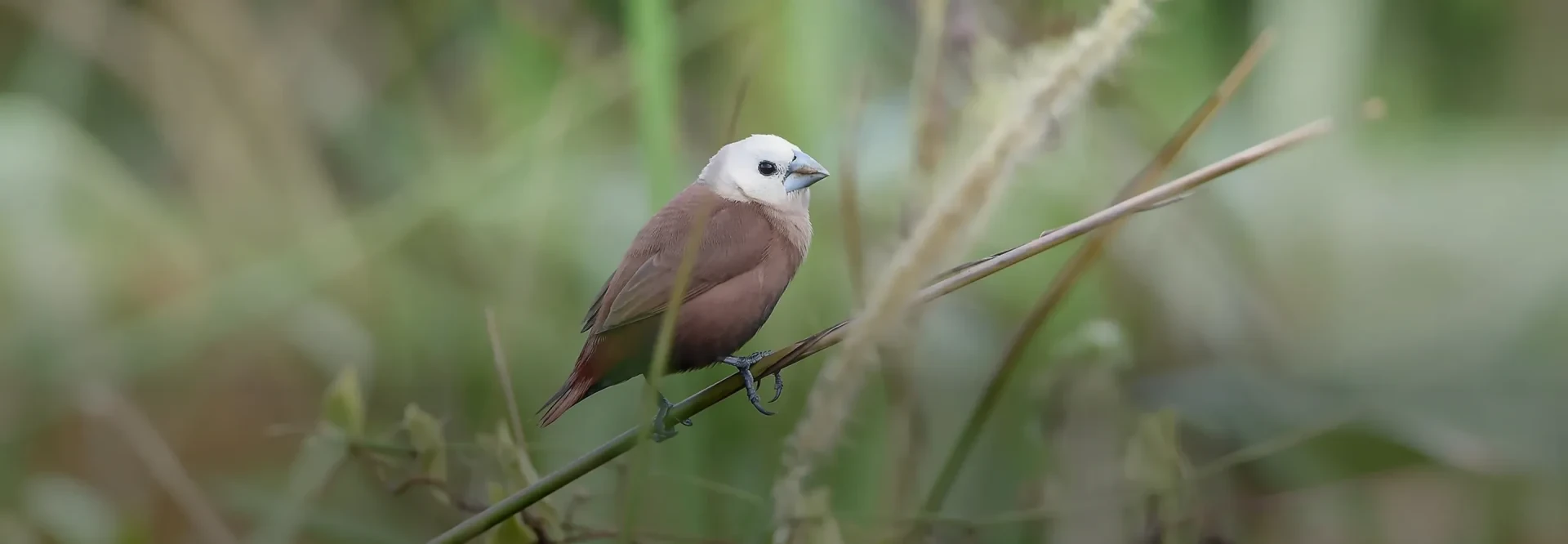
The biodiversity impact assessment and wildlife species survey conducted in the Lom Ligor Project area found that the project area and its surroundings provide habitats for various wildlife species, particularly birds and bats, which may be affected by the operation of the wind power plant. The species can be classified according to the IUCN Red List as follows:
| Animal Group | Number of species by IUCN Red List category | |||||
|---|---|---|---|---|---|---|
| CR | EN | VU | NT | LC | รวม | |
 Birds Birds |
- | - | - | 2 | 43 | 45 |
 Bats Bats |
- | - | - | 4 | - | 4 |
Note The total numbers of bird and bat species identified at the Lom Ligor Project are based on survey results from the Initial Environmental Examination Report (IEE, VSPP-PEA 006/2557) and the Bird Conservation Society of Thailand (BCST).
Species are classified according to the IUCN Red List categories as follows:
- Critically Endangered (CR)
- Endangered (EN)
- Vulnerable (VU)
- Near Threatened (NT)
- Least Concern (LC)
The survey identified certain bird and bat species classified as Near Threatened (NT) under the IUCN Red List criteria. The Company has therefore established measures to continuously monitor and surveil impacts on these species and developed a Biodiversity Action Plan (BAP) to reduce potential risks and impacts on living organisms, including standard operating procedures for monitoring data on direct impacts on birds and bats. These procedures provide guidance for systematically reducing risks and monitoring performance.


Key Stakeholders

Communities
- Assessed biodiversity risks and impacts and established measures to prevent and reduce risks to communities, the environment, and ecosystems in operational areas.
- Enhanced community knowledge and understanding of local biodiversity to promote engagement in conserving and maintaining the integrity of local ecosystems.
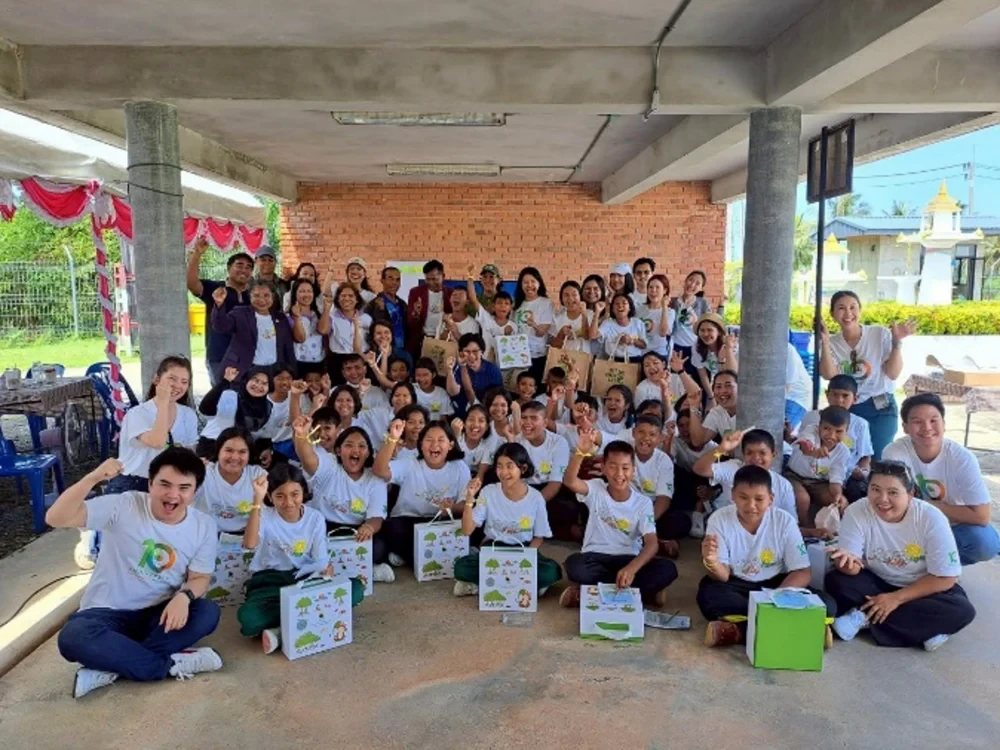
- Conducted ecosystem and environmental restoration activities with communities, including mangrove planting and restoration projects and natural resource conservation activities.
- Received community feedback, suggestions, and complaints through various engagement channels and used them to improve operating approaches appropriately.