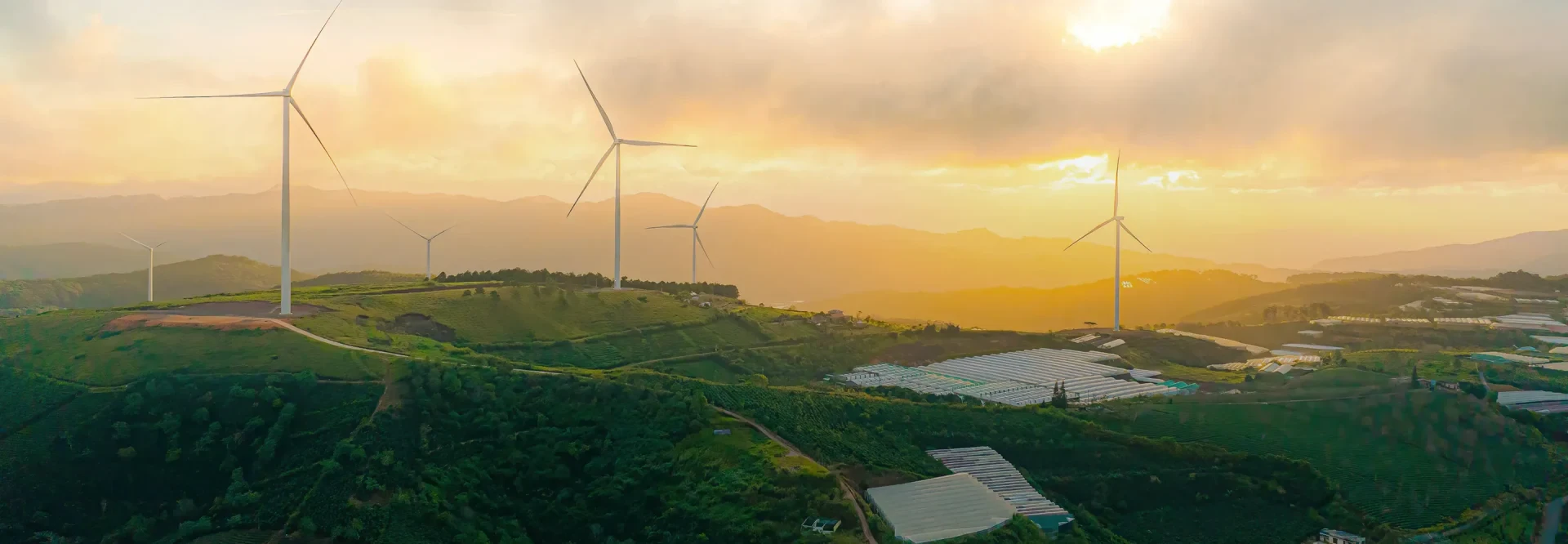
Energy Management and Climate Adaptation

Supporting the SDGs

Energy management and climate change response are major challenges for renewable power generation businesses today
amid increasingly severe global climate impacts, such as rising average temperatures and more frequent extreme weather events, which affect both energy systems and the stability of business operations.
The Company recognizes renewable power generation as a key mechanism for driving the Energy Transition through the use of environmentally friendly energy sources, including solar, wind, and hydropower, which help reduce greenhouse gas emissions and environmental impacts while supporting long-term energy security.
Accordingly, the Company focuses on efficient energy management alongside the development of technology and innovation to improve power generation efficiency, reduce energy losses, and strengthen the resilience of its business operations to climate variability. In addition, the Company places importance on integrating climate risk management approaches into its corporate strategy and working with all stakeholder groups to address these challenges systematically and sustainably.

Opportunities and Challenges
The Company is committed to creating value for customers, communities, and society through products and services that meet clean energy needs, which are central to driving sustainable growth.
However, the Company continues to face challenges arising from a rapidly changing business environment, including advances in energy technology, changes in increasingly stringent government regulations and policies, and rising stakeholder expectations. Effectively managing these challenges requires organizational expertise, agility, and adaptability.
At the same time, these challenges create opportunities for the Company to enhance its business capabilities through the development and application of clean energy innovations and technologies to improve operational efficiency and respond to diverse energy needs that have not yet been adequately met.
In addition, the Company places importance on building strategic collaboration with business partners in Thailand and abroad to strengthen its business, exchange knowledge, and jointly develop sustainable energy solutions. These efforts will enable the Company to overcome limitations across various dimensions and support the long-term transition to a clean energy system.
Targets and Performance

Reduce electricity consumption in office buildings by
Targets
Performance

Reduce electricity consumption per unit of power generation in the power business
Targets
Performance

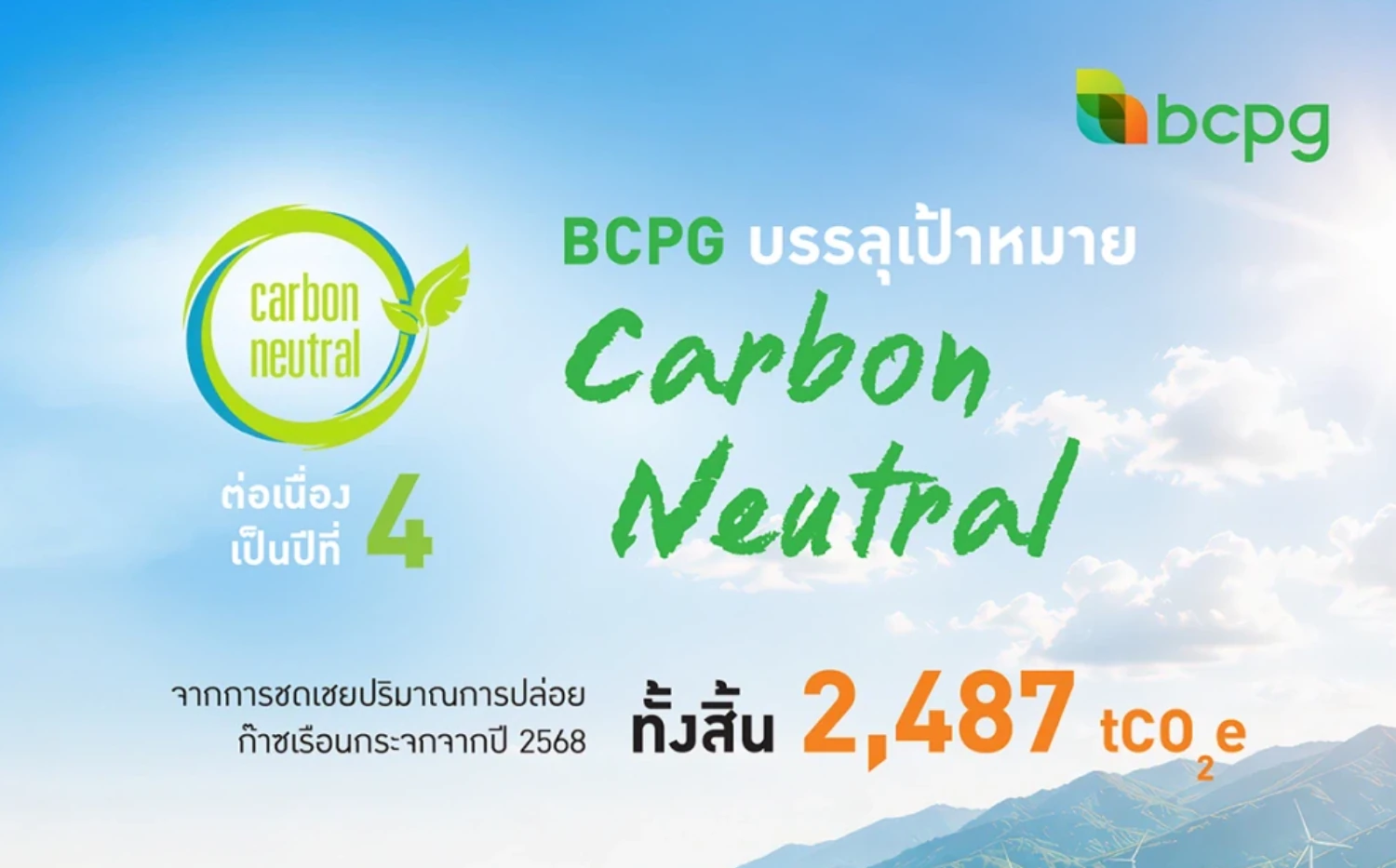
Achieve Carbon Neutrality over which the Company has control.
Target
Performance

Achieve Net Zero greenhouse gas emissions
Targets

Reduce greenhouse gas emissions by
Target
Performance
Performance
- Scope 1 and 2 greenhouse gas emissions from the power business in Thailand totaled 1,783 tonnes of carbon dioxide equivalent.
- Electricity generation totaled 311 gigawatt-hours.

Strategy and Management Approach
Environmental Management
The Company places importance on the efficient use of resources, the appropriate management of water, waste, and pollution, and the implementation of measures to prevent and mitigate impacts on ecosystems and biodiversity. It continuously monitors, evaluates, and improves its environmental performance to ensure compliance with laws and international standards and to meet stakeholder expectations. The Company has established an environmental management policy under its “Sustainable Business Development Policy,” comprising the following three operating approaches:

Reducing environmental impacts in all aspects

Achieving creative growth through environmentally friendly innovation

Protecting biodiversity that may be affected by operations
In managing sustainable clean energy from solar power generation, the Company recognizes the potential impacts on communities and biodiversity within project areas. The Company therefore strictly complies with the Code of Practice to ensure that every stage of its business processes is appropriately managed to minimize environmental and social impacts. In addition, all of the Company’s renewable power plants are certified under the ISO 14001 Environmental Management System standard, affirming its commitment to responsible business management and the highest level of attention to the environment in accordance with international standards.
To build confidence and achieve tangible operational efficiency, the Company has defined the scope of environmental management under its Environmental Management Policy in alignment with its core and supporting activities, while also covering stakeholders throughout the supply chain. This promotes transparency in data collection, performance monitoring, and data verification in accordance with environmental management laws and international environmental management standards. The Company also places importance on considering the elements of its environmental and social management system throughout every stage of project development. The Company’s Coverage of Environmental Management Policy encompasses the following activities:
| Project Phase | Elements of the Environmental and Social Management System |
|---|---|
 Project Development Phase Project Development Phase |
Environmental and Social Risk Assessment:
|
 Project Construction Phase Project Construction Phase |
Construction
|
 Project Operational Phase Project Operational Phase |
Operations
|
Energy Management
The management of the Company’s electricity consumption is one of its key strategies for achieving Carbon Neutrality by 2030 and Net Zero greenhouse gas emissions by 2050. The Company is committed to managing energy use within the organization to reduce the impacts of its business operations and strictly comply with the Code of Practice (CoP) for solar photovoltaic power generation facilities and the ISO 14001 Environmental Management System standard. In addition, the Company has established energy efficiency measures aligned with legal requirements and international standards to guide the operations of the Company and its relevant subsidiaries.
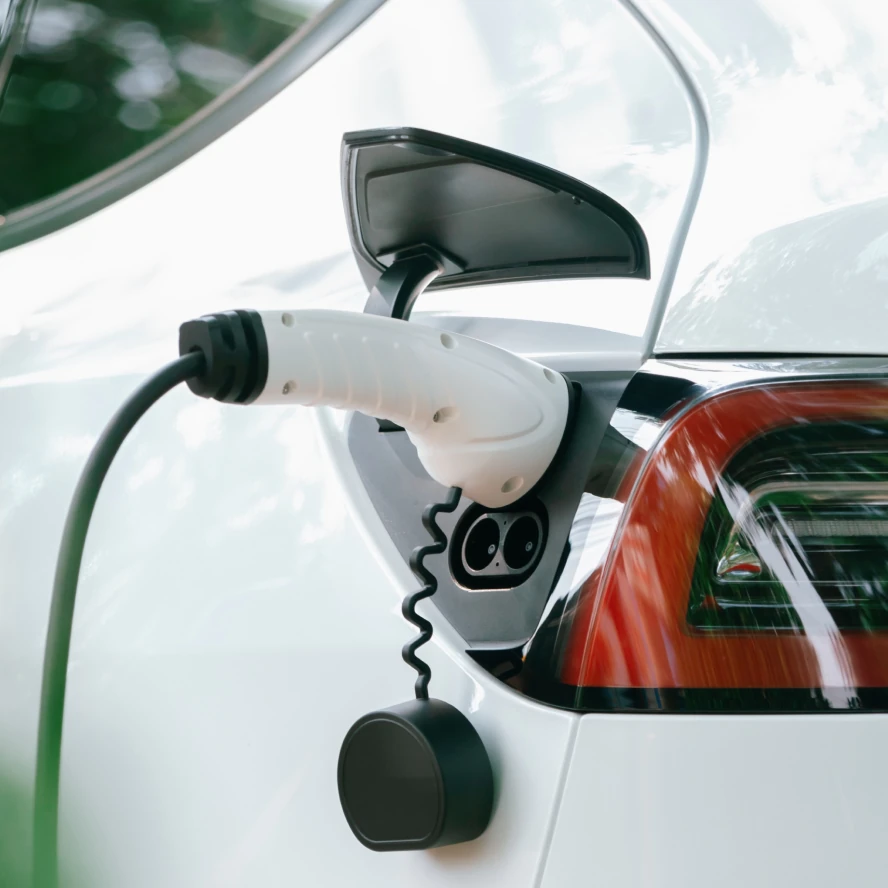
Energy Consumption Reduction Measures
1. Use of Electric Vehicles in Operations
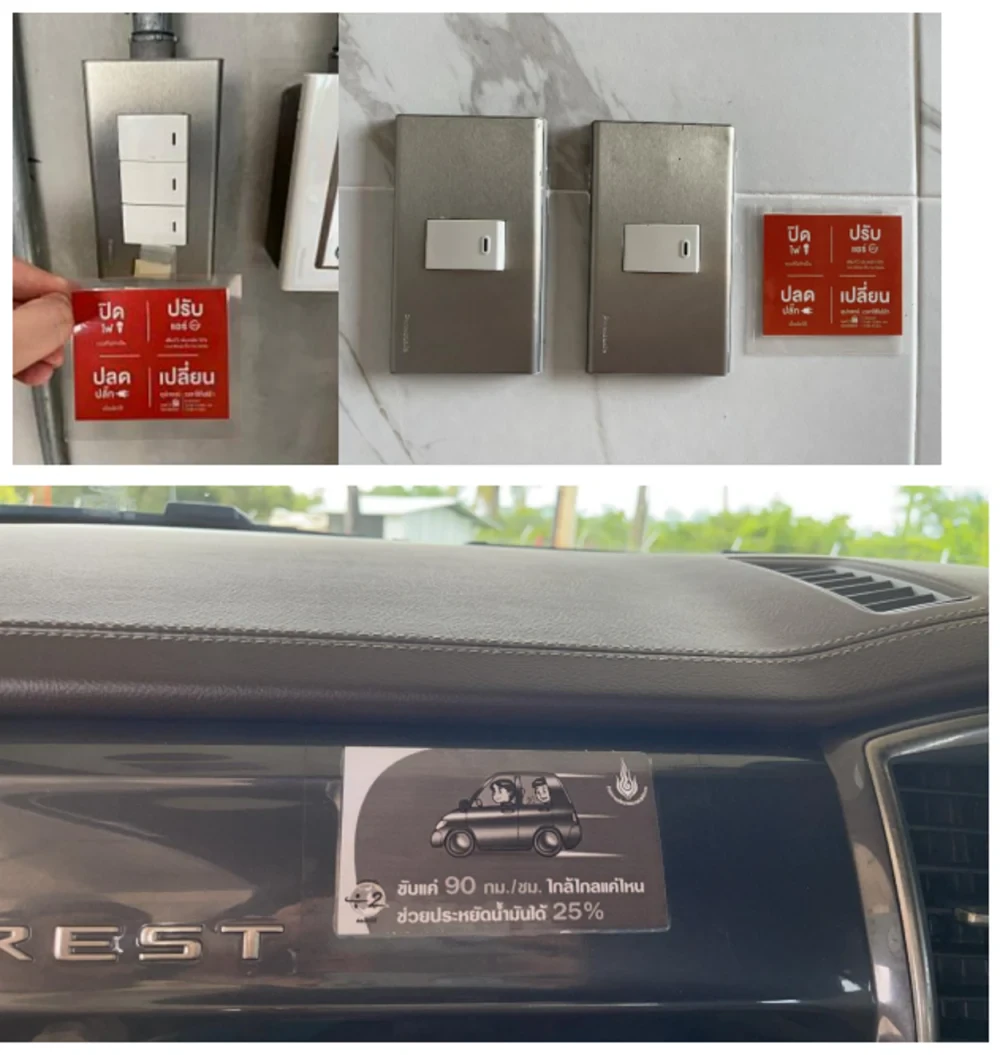
2. Improving Energy Efficiency
- The Company has implemented measures to reduce electricity consumption within the organization by encouraging employees to switch off electrical appliances when not in use, controlling the operation of electrical systems and air-conditioning systems according to designated operating hours, selecting energy-efficient appliances, and continuously maintaining appropriate temperature settings. The Company also promotes the use of green electricity.
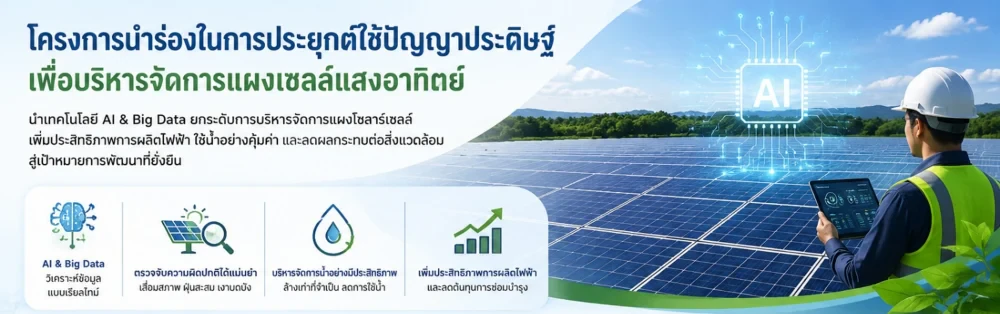
- The Company has developed plans to improve the efficiency of clean electricity generation processes through the installation of environmentally friendly power generation systems and equipment. The performance of installed systems and equipment is regularly monitored to maximize power generation efficiency.
- The Company studies and monitors developments in technologies and innovations related to greenhouse gas emission reductions, including effective Carbon Capture, Utilization, and Storage (CCUS).


Key Stakeholders

Investors/Shareholders
- Efficient energy management, together with the assessment and management of climate risks that may affect assets and operations, to reduce costs, enhance business stability, and generate sustainable long-term returns, as well as support investment in renewable energy, clean energy technologies, and energy innovation to facilitate the Energy Transition.

Employees
- Promoting employee knowledge and skills in energy management, technology, clean energy, innovation, and climate change response through training, communication, and awareness-raising activities to support their participation in improving energy efficiency, reducing greenhouse gas emissions, and strengthening the organization’s adaptive capacity.

Financial Institutions
- Operating a clean energy business and managing energy efficiently, together with assessing and managing climate change risks, to strengthen financial stability and the capacity for sustainable growth, as well as transparently disclosing ESG and risk management information in accordance with relevant standards and requirements.

Government Agencies and Regulatory Authorities
- Supporting policies on clean energy, greenhouse gas emission reductions, and climate change response through investment in renewable energy, the development of energy technologies, and appropriate environmental management, while closely monitoring and strictly complying with relevant energy and environmental laws, regulations, and policies.

Customers
- Communicating policies on energy management, greenhouse gas emission reductions, and climate change response, while promoting collaboration on energy efficiency and clean energy use to support operations aligned with sustainable development approaches.

Business Partners
- Strengthening business partnerships to develop clean energy projects and innovations, Smart Energy Systems, energy storage systems, and technologies that improve energy efficiency, while supporting climate risk management, cost reductions, and the expansion of environmental initiatives to create shared benefits throughout the value chain.

Communities
- Implementing energy projects that take into account impacts on the environment and communities, while transparently communicating information on climate change impacts and response measures; implementing measures to reduce greenhouse gas emissions, manage water and waste, and protect biodiversity; and supporting access to clean energy and improvements in the quality of life of communities surrounding the projects.

News Agencies and the Media
- Transparently communicating information on clean energy business operations, energy management, and climate change response through various communication channels and activities, while promoting public understanding of the Company’s approaches to sustainability, energy innovation, and environmental and social risk management.