
Sustainability Strategy

The Company has established a Sustainable Business Development Policy by integrating international standards on sustainability and corporate responsibility
including the United Nations Sustainable Development Goals (SDGs), standards issued by the International Organization for Standardization (ISO), ISO 26000 Guidance on social responsibility, the Universal Declaration of Human Rights (UDHR), the United Nations Guiding Principles on Business and Human Rights (UNGP), and the National Action Plan on Business and Human Rights (NAP). The Company also monitors and reports its performance in accordance with its guidelines. Its sustainable business development approach is centered on creating value across three pillars: economic value (Growth), social value (Good), and environmental value (Green), all of which are founded on good corporate governance (Governance). Details are as follows:
Growth
To achieve its corporate vision and mission, the Company believes that operating under its core strategies will enable it to respond to the competitive landscape and rapidly changing environment. The Company applies innovation, knowledge, supply chain business management, and business expansion in compliance with applicable laws and regulations. Its investment and business development strategies are as follows:

Core Business

Adjacent Business

Non-core business

Related to Core Business
Good

Green

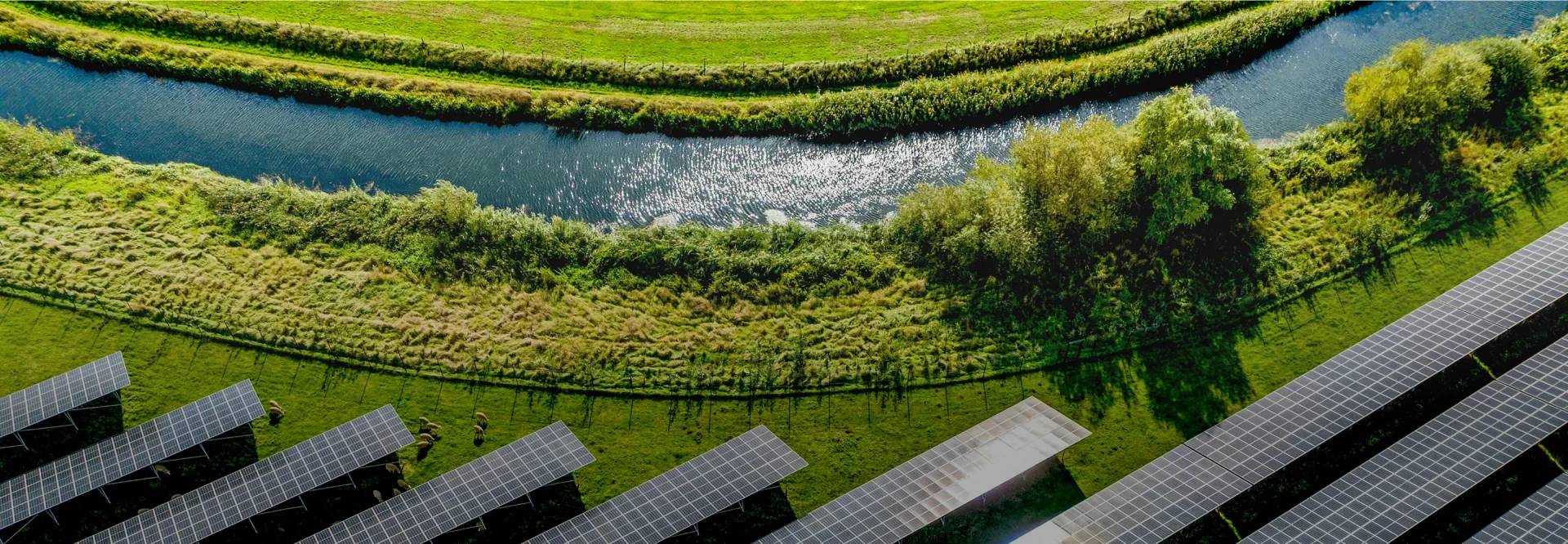
The Company recognizes the importance of advancing the energy transition and is committed to serving as a driving force and role model in clean power generation. It places importance on the impacts of climate change and has established targets for carbon neutrality and net-zero greenhouse gas emissions. The Company also seeks opportunities to expand into new businesses, promote efficient resource utilization through the circular economy, and strengthen environmental stewardship.
In addition, the Company has a policy of not investing in fossil fuel-related projects that generate high levels of greenhouse gas emissions. It also has a policy of selecting modern and environmentally friendly equipment and technologies to ensure that its power plants operate at maximum efficiency.
Governance

The Company recognizes the importance of corporate governance, or good corporate governance, and has therefore adopted the Corporate Governance Principles prescribed by the Securities and Exchange Commission, Thailand, as guidelines for its operations. These principles support an efficient, transparent, and accountable management system, thereby building trust and confidence among shareholders, investors, and all relevant stakeholders.
The Company also recognizes the importance of managing key enterprise risks and applies the risk management process under the COSO ERM 2017 framework. This process identifies and assesses risks that may affect the Company’s strategy, operations, finance, regulatory compliance, and reputation, including emerging risks. Risk coordinators are appointed in every department to analyze risks and prepare risk management plans. Progress in implementing these plans is monitored and reported quarterly to the Enterprise-wide Risk Management Committee and to the Board of Directors as appropriate.
