
Occupational Health and Safety Management

Supporting the SDGs


Opportunities and Challenges
The workforce is essential to driving business success. Organizations must therefore place importance on occupational health and safety to prevent and reduce the risks of accidents and their potential impacts, including injuries and loss of life among workers and members of surrounding communities, property damage, and environmental impacts
such as chemical spills that may harm ecosystems and the health of nearby communities. Such incidents may also disrupt business operations and affect stakeholder confidence. The Company therefore places importance on implementing preventive measures and managing safety effectively.
The Company also recognizes opportunities to enhance its occupational health and safety management standards by developing its management systems and continuously monitoring and evaluating performance. This includes an approach to enhancing the assurance process for occupational health and safety data through an independent external assurance provider to increase credibility, transparency, and confidence among all stakeholder groups, as well as support disclosures in accordance with international corporate sustainability standards.
Targets and Performance

Lost-time workplace accidents involving Employee and subcontractor
Targets
Performance

Employees and contractors sustaining lost-time injuries
Targets
Performance

Work-related fatalities among employees and contractors
Targets
Performance

Lost-Time Injury Frequency Rate (LTIFR) for employees and contractors
Targets
Performance

Hazardous chemical spills
Targets
Performance

Environmental disputes
Targets
Performance

A working environment that meets applicable safety and hygiene standards
Targets
Performance

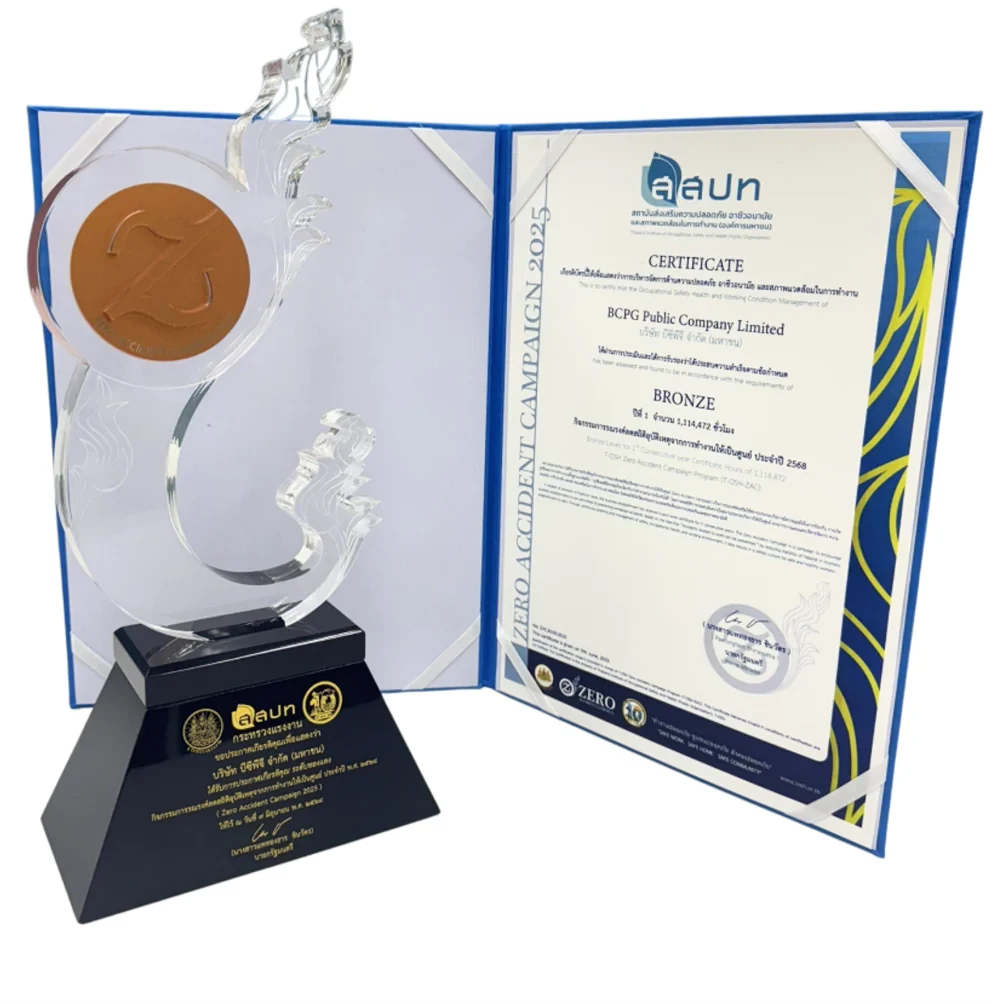
honorary plaque under the Zero Accident
Performance

Strategy and Management Approach
The Company places importance on managing quality, occupational health, safety, the environment, and energy alongside sustainable business operations. It has established policies, targets, and operational guidelines covering all organizational levels and operational areas to prevent workplace accidents and occupational illnesses through continuous risk assessments, occupational health and safety training, performance inspection and monitoring, improvements to safety measures, and employee participation in maintaining safety standards to effectively prevent workplace accidents and occupational illnesses.
The Company strictly complies with applicable laws and requirements to ensure effective and sustainable occupational health and safety operations. It also communicates the policies to personnel at all levels within the organization and discloses them to external organizations to ensure transparency and alignment with applicable standards, as follows:

Occupational Health and Safety

Quality

Environment
Occupational Health, Safety, and Working Environment Committee
The Company strictly complies with applicable laws and requirements and requires all power plants to be certified to internationally recognized occupational health and safety standards, particularly ISO 45001:2018. To achieve its occupational health and safety goals, the Company has appointed the Occupational Health, Safety, and Working Environment Committee, which includes employee representatives and has clearly defined roles and responsibilities. The Committee’s responsibilities and duties are as follows:
Review policies and plans concerning occupational health, safety, and the working environment
Report and recommend measures or corrective actions to the Company to ensure compliance with applicable occupational health, safety, and working environment laws and workplace safety standards
Promote and support occupational health, safety, and working environment activities, including environmental management within the workplace.
Review workplace safety regulations and manuals
Conduct inspections of workplace safety practices and the working environment
Review safety and working condition training programs or plans
Establish a system requiring employees at all levels to report unsafe working conditions.
Monitor the progress of plans submitted to the Company.
Prepare an annual performance report
Evaluate the workplace’s occupational health, safety, and working environment performance
Perform occupational health, safety, working condition, and environmental management
Manage, oversee, and control environmental impacts
In addition, the Company promotes employee participation in improving and developing its occupational health and safety management system by providing consultation channels through Committee representatives, as well as consultation and support for continuous improvement to enhance working standards in line with best safety practices. The Company also focuses on ensuring safe working conditions for employees, contractors, and other relevant personnel.
Occupational Health and Safety Management Approaches
To achieve its occupational health and safety goals, the Company is committed to operating in accordance with workplace safety standards covering employees, contractors, and other relevant parties throughout the operational chain. This is implemented through risk management, legal compliance, control of the working environment, and the continuous development of a safety culture, as follows:

1. Hazard Identification and Risk Assessment
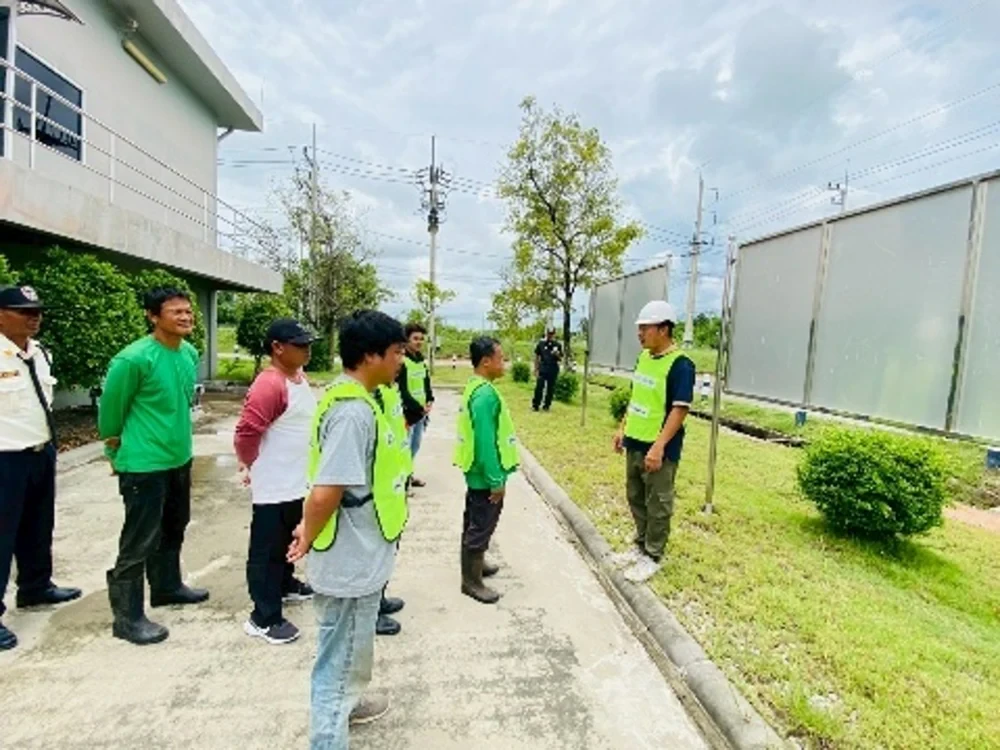
The Company identifies hazards and analyzes occupational risks for employees and contractors by considering both the likelihood of occurrence and potential impacts arising from internal and external factors, as well as stakeholder needs and expectations. Risks are prioritized from highest to lowest to determine appropriate control measures. The Company also encourages employees to stop work and report unsafe conditions to strengthen the workplace safety culture. In addition, the Company provides safety training to employees and contractors before they commence work, prepares business continuity plans, and regularly conducts emergency drills to ensure appropriate and effective responses to various situations.

2. Legal Compliance Assessment
The Company places importance on compliance with applicable occupational health and safety laws and requirements by continuously conducting legal compliance assessments and monitoring changes in new laws that may affect its operations. It also manages the renewal of relevant licenses within the prescribed periods to ensure that its business operations fully comply with applicable standards and requirements.

3. Control of the Working Environment
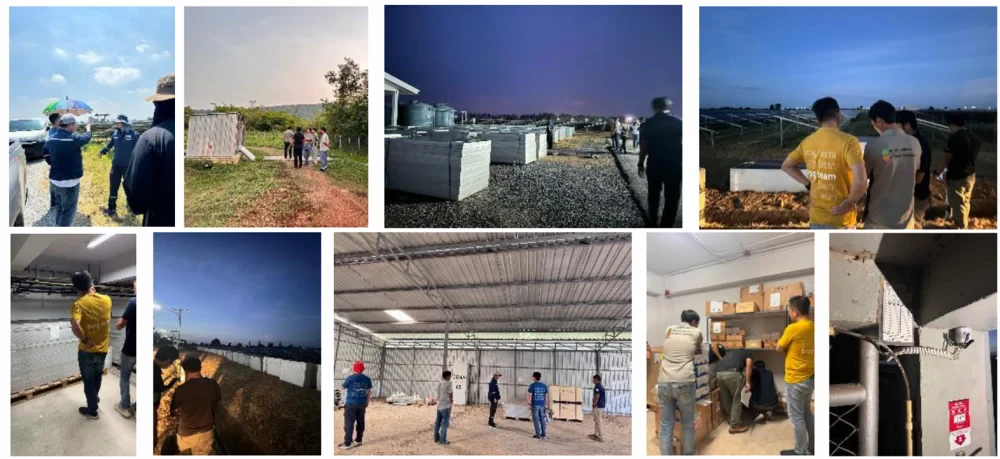
The Company oversees and controls the working environment in accordance with applicable regulations and safety standards by appointing responsible personnel and safety supervisors at operational sites to oversee, inspect, and monitor operations. Employees and contractors are required to strictly comply with safety measures, including wearing Personal Protective Equipment (PPE) appropriate to the nature of their work, to ensure safety at every stage of operations and reduce potential risks.

4. Accident Reporting, Investigation, and Recurrence Prevention
The Company has established systematic processes for reporting and investigating accidents, incidents, and abnormal events, covering lost-time injuries, fatalities, and property damage, to ensure timely incident control and prevent recurrence. It also promotes a safety culture by allowing employees to report abnormal events and protecting those who make reports from retaliation or unfair treatment. In addition, the Company continuously monitors and evaluates the effectiveness of its occupational health and safety management system to sustainably improve and enhance its safety standards.
Business Continuity Plan to Address Risks
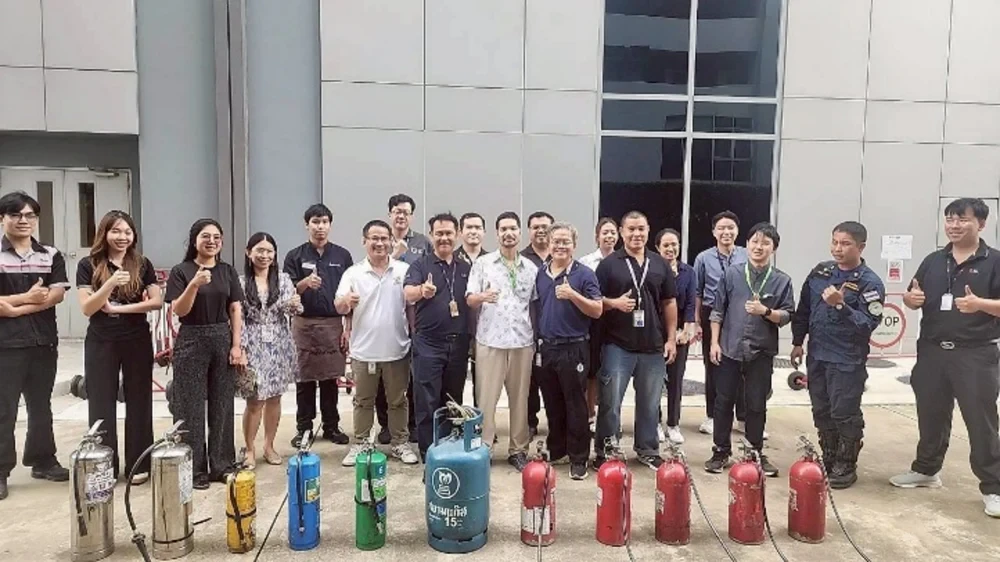
The Company evaluates the effectiveness of its management of safety, risks, and opportunities at appropriate intervals and conducts Business Continuity Plan drills to respond effectively to emergency situations. The drills have the following objectives:

To conduct practical

To ensure strategic preparedness

To develop action plans
The Company conducts emergency drills using simulated scenarios to enhance preparedness and improve responses to potential incidents. The drills cover four key areas: emergency preparedness, emergency response operations, the prevention and control of emergencies arising from chemical spills, and the prevention of and response to flood emergencies. These drills help ensure that the occupational health and safety management system effectively achieves its established objectives and intended outcomes while supporting continuous system improvement and development and maintaining safety standards in accordance with applicable requirements and Best Practices.
Occupational Health Services

The Company places importance on employees’ occupational health and well-being by continuously monitoring and measuring air quality and the working environment across both project sites and office buildings in accordance with the standards of the Department of Health, Ministry of Public Health. The parameters measured include temperature, relative humidity, carbon dioxide, particulate matter smaller than 10 microns (PM10), particulate matter smaller than 2.5 microns (PM2.5), total volatile organic compounds (Total VOCs), formaldehyde, carbon monoxide, and ozone. The Company also measures the total bacteria count and total fungal count. If any measurement exceeds the applicable standard, the Company takes corrective action and continuously monitors the results to ensure the safety of personnel. The Company has conducted these measurements in accordance with applicable standards since 2018.
In addition, the Company provides annual health check-ups for employees. If a check-up identifies an abnormal result, the employee is required to consult a physician for advice on appropriate healthcare. The Company also provides additional risk-based medical examinations, such as examinations for personnel working in confined spaces, as well as age-specific medical examinations, including prostate cancer and breast cancer screening. The Company encourages employees to continuously monitor and care for their own health. It also strictly maintains the confidentiality of personal health information by storing such information in secure systems and limiting access to authorized personnel. The Company has also established a policy to prevent the unlawful use of such information, thereby ensuring the protection and secure maintenance of employees’ health information.


Key Stakeholders

Employees
- Established the Safety, Occupational Health, and Working Environment Committee to appropriately oversee and manage workplace safety
- Provided safety training, assessed and controlled workplace risks, inspected the working environment, and continuously developed measures to prevent workplace accidents and occupational illnesses to promote employees’ health, safety, and quality of life.
- Promoted implementation of the Zero Accident approach to create a safe and sustainable working environment.

Suppliers
- Provided safety training, communicated safety requirements and practices, conducted workplace inspections and risk assessments, and jointly developed best practices with suppliers and contractors to ensure safe and efficient operations and reduce potential operational risks.

Communities
- Established policies, measures, and action plans to prevent and reduce potential risks to communities arising from business operations, such as chemical spills and operational accidents that could affect the health, safety, and environment of surrounding communities.